Navigating the Shadows: Understanding Reactive Abuse and Owning My Part
Hello, dear readers.
It’s Meghann here. Tonight, I want to shine a light on a concept that’s been pivotal in my understanding of what happened in my relationship: reactive abuse. It’s a term that helped me make sense of those moments when I felt like I was losing control, and sharing it might help others untangle their own experiences.
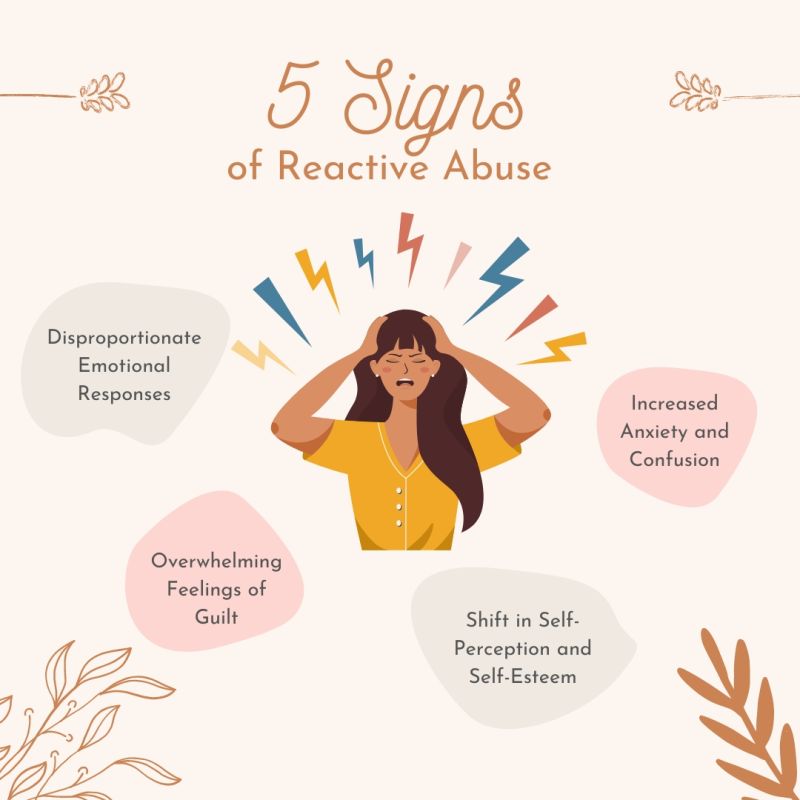
Reactive abuse refers to the defensive or aggressive reaction from a victim after enduring prolonged abuse, often making them appear as the aggressor in the eyes of others—or even themselves. It’s not true abuse in the sense of initiating harm; instead, it’s a breaking point, a survival response to ongoing manipulation, gaslighting, or belittling. The abuser provokes, pushes buttons relentlessly, until the victim snaps—yelling back, pushing away, or even lashing out physically—and then uses that reaction to flip the narrative: “See? You’re the crazy one.” It’s a clever form of gaslighting, shifting blame and allowing the abuser to play the victim, which can trap the real victim in guilt and self-doubt. Reactive abuse can come in forms like name-calling, throwing dishes, or other outbursts born from frustration and desperation.
In my marriage, this played out in ways that left me reeling. The constant criticism—“You don’t dress right,” “You say the wrong things,” “Why can’t you be like other women?”—built up like a pressure cooker. He’d corner me in arguments, not letting me leave the room, pulling away intimacy while demanding to know my every move, and invading my privacy with things like taking naked photos without consent. The emotional cheating, the dismissals, the public humiliations—they all chipped away until I’d react: yelling in frustration, crying hysterically, withdrawing completely, or at times even pushing or shoving him, especially when cornered and feeling trapped with no way out. Then came the twist: His favorite statements like “You’re overreacting” or “Whoa, stop acting crazy like your mom,” which he wielded often, knowing he held deep disdain for my mother who always tried to protect me. Suddenly, I was the “unstable” one, apologizing for my outburst while his provocations went unacknowledged. It made me question my sanity, wondering if I was indeed the problem, especially when he’d point to my reactions as proof. I believed it so wholeheartedly that I completed three forensic psychological exams to ensure my sanity—because God forbid the first or second one were correct. After the third, I remember my therapist asking if I was satisfied, almost giggling, because who needs three psychological tests that say the same thing!
Owning my part in this has been a crucial, if uncomfortable, step in my healing. While my actions were reactive—born from years of built-up pain, fear, and a desperate need to escape the immediate threat—I recognize that pushing or shoving crossed lines I regret deeply. It wasn’t who I wanted to be, and in those moments, I let the abuse pull me into behaviors that mirrored the toxicity I was fighting against. Taking responsibility means acknowledging that, even in self-defense, physical responses can escalate cycles and leave lasting guilt. It doesn’t excuse his role as the instigator, but it empowers me to reflect: What could I have done differently? How can I break free without losing myself? Therapy has been key here, helping me process the shame without letting it define me. Owning this part isn’t about self-blame; it’s about growth, ensuring I model accountability for my kids and build healthier patterns moving forward. It’s a reminder that healing involves facing all sides of the story, with compassion for the person I was in survival mode.
The toll extended beyond me; it affected our children too. They’d witness these cycles—the buildup of tension, my eventual snap, and his calm deflection—and internalize confusion. “Mom’s yelling again,” might become their takeaway, not seeing the invisible buildup of abuse that led there. It taught them to doubt their own perceptions, mirroring the gaslighting I’d endured. Healing from this has meant recognizing that my reactions weren’t abuse—they were responses to it. Therapy helped me name it, reframe the guilt, and learn healthier ways to respond, like setting boundaries early.
If this sounds familiar, know that reactive abuse doesn’t make you the villain; it’s a sign the dynamic is toxic. Breaking free starts with awareness, support, and reclaiming your narrative.
Thank you for reading these vulnerable shares. More reflections to come.
With warmth and strength,
Meghann


Comments
Post a Comment