Lingering Scars: The Lasting Impact of Abuse Years Later
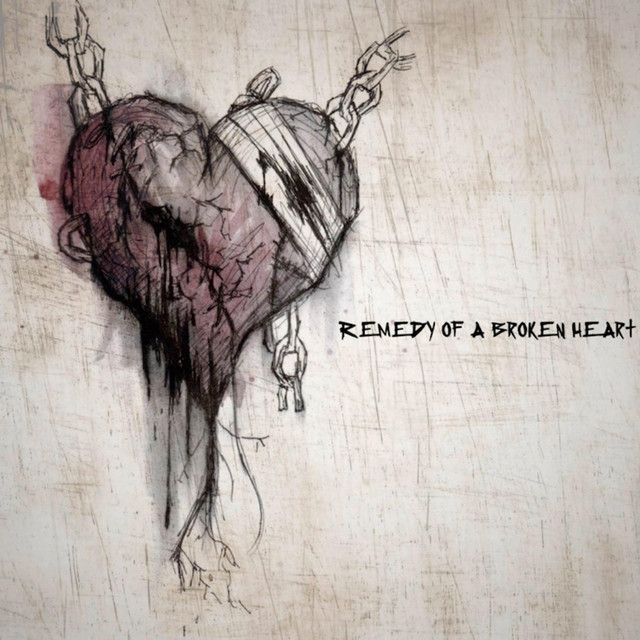 Hello Readers; Meghann here. Today, as I sit at my desk reflecting on the passage of time—it’s July 17, 2025, and years have slipped by since I walked away from that toxic marriage—I want to talk about something that doesn’t often get the spotlight in stories of survival: the scars that remain, even after the storm has passed. We hear about breaking free, rebuilding, and thriving, but what about the quiet aftermath? The way abuse leaves echoes that whisper in your ear long after the shouts have faded. For me, those scars manifest in isolation, a deep-seated fear of trusting others, reluctance to leave the safety of home, a general apprehension toward life itself, and a heartbreaking loss of belief in love. If you’re carrying similar weights, know this post is for you—a gentle acknowledgment that it’s okay to still be healing.
It’s been years since I packed up my children and fled to my parents’ cabin, then the camper during my brother’s cancer battle, and finally our own home. I’ve built a thriving home health care agency, watched my kids grow into resilient young people, and pieced together a life that’s truly beginning to feel like mine. Yet, the scars are there, etched deep. Abuse doesn’t just bruise the moment; it reshapes your worldview, making the world feel like a minefield. I find myself sitting alone more often than not—choosing solitude over the risk of vulnerability. Friends? They’ve dwindled, partly from the isolation during the marriage, but mostly from my own fears. Trusting others feels like handing over a fragile piece of myself, only to anticipate the shatter. What if they dismiss my pain, like he did? What if they turn out to be another source of judgment or betrayal? The gaslighting left me doubting my instincts, so now, I second-guess every potential connection, opting for the safety of alone instead.
Then there’s the fear of leaving home—a quiet agoraphobia that creeps in uninvited. In our small northern Minnesota town, where his family’s narrative still paints me as the villain, stepping out means facing whispers, stares, or worse, running into reminders of the past. Simple errands become daunting: What if I encounter him or his circle? What if the anxiety spikes, and I’m back in that cornered feeling? It’s not just physical spaces; it’s a fear of life unfolding unpredictably. Plans get canceled, opportunities passed up, all because the scars scream “danger” at the unknown. Years later, I still wake to sleepless nights, haunted by questions like “Why me?” or replaying the manipulations, wondering if I’ll ever feel truly safe in the world.
And love? Oh, that’s the deepest scar of all. After pouring my heart into a marriage where I was always second—to his family, friends, golfing weekends, racing obsessions, and those extra marital relationships—I no longer believe in it the way I once did. The fairy tales of forever feel like cruel jokes; instead, love seems synonymous with pain, control, and eventual abandonment. My mom always stated my husband was my storm and the others I sought attention from were attempts at temporary life rafts—desperate grasps for validation amid the chaos, but ultimately fleeting and unfulfilling. Those moments of seeking solace elsewhere only deepened the guilt and confusion, reinforcing the cycle of doubt. I’ve built walls so high that even the thought of opening up romantically terrifies me. What if I fall into the same patterns? What if I’m not “enough” again? The trauma bond lingers, making solitude feel like the only reliable companion. It’s a lonely place, this disbelief, but it’s born from survival—a shield against further heartbreak.
These scars don’t define me, but they do shape my days. Healing has no playbook; some mornings I feel unbreakable, others I’m back in the fog. Therapy helps, as does journaling and small acts of self-care, but the truth is, abuse’s impact endures. If you’re here, years out and still scarred, know it’s normal. You’re not broken; you’re human, carrying the weight of what shouldn’t have been. Reach out when you’re ready—there’s strength in shared stories.
Thank you for reading these vulnerable shares.
With warmth and strength,
Meghann


Comments
Post a Comment