The Hidden Weight and Mirrored Masks: Unmasking Secrecy and Its Psychological Toll
Hello dear readers,
It’s Meghann here, reflecting with a thoughtful spirit, my mind has turned to a topic that’s both personal and profound: the psychological effects of secrecy and the mirroring behaviors that often accompany it. Having witnessed the impact of hidden truths and manipulative facades in my own life—whether through family silences, distorted narratives, or the burdens others carry—I’ve been drawn to understand how these patterns shape our minds, hearts, and relationships. So many people hide their identity to avoid being questioned and dodge accountability, weaving a web of secrecy and mirrored masks that isolates and harms. If you’ve felt the strain of unspoken words, the weight of someone else’s hidden story, or the sting of manipulated reflections, join me in this gentle yet revealing exploration of their toll.
The Burden of Secrecy
Secrecy, at its core, is a choice to conceal information, often driven by fear, shame, or a desire for control. Psychologically, this act carries a heavy load. Research shows that keeping secrets can increase stress and anxiety, as the mind constantly monitors what to reveal or hide. It’s like carrying an invisible backpack—every interaction becomes a tightrope walk, fearing exposure. In my life, I’ve seen this play out with loved ones who buried their mistakes, their tension palpable, affecting our relationships with an unspoken strain. This secrecy often ties to a desire to portray a certain appearance to the public, especially if their name or reputation is at stake. They might hide flaws to maintain an image—say, the “perfect family” or “pillar of the community”—driving them to bury truths rather than face judgment, further isolating themselves and those around them.
One major effect is emotional isolation. Studies suggest that secrecy creates a barrier, even with those we trust, leading to loneliness and a sense of disconnection. The secret-keeper might withdraw, while others sense the distance without understanding why. I’ve felt this ripple—raising my kids alone while navigating half-truths from others left me isolated, piecing together a puzzle I wasn’t meant to solve. It can also fuel guilt and shame, as the hidden truth gnaws at self-worth, reinforcing negative beliefs about oneself. This isolation deeply impacts relationships, particularly with children and significant others. Parents who hide secrets—be it infidelity, financial struggles, or past traumas—may create emotional distance, leaving kids confused or insecure, sensing something’s off without understanding why. Significant others might feel betrayed or disconnected, eroding trust as the secret-keeper guards their facade. In my own experience, I’ve seen this with family members whose silences strained our bonds, affecting my kids’ sense of stability.
Cognitively, secrecy impairs focus and memory. The mental effort to suppress thoughts—known as cognitive load—can lead to forgetfulness or distraction, as noted in psychological studies. I’ve seen this in those who stumble over their words, their minds tangled in what they won’t say. Physically, the stress manifests as headaches, insomnia, or a racing heart, a body crying out under the strain. For me, supporting my family through these hidden burdens has sometimes mirrored that tension, though I strive for openness to break the cycle.
Long-term, secrecy can erode mental health, increasing risks of depression or anxiety disorders if unresolved. Yet, the drive to hide often stems from avoiding accountability—many cloak their identity, fearing questions that might expose their flaws or force them to face consequences. This avoidance amplifies the psychological toll, as they bury who they are to evade scrutiny, leaving a trail of broken trust.
The Mirror of Manipulation
Mirroring, tied to mirror neurons that fire when we act or observe, is a natural way we connect, empathize, and build bonds, as noted by researchers like Giacomo Rizzolatti. I’ve seen it in my kids mirroring my calm or me picking up a coworker’s focus—a rhythm of belonging. Healthy mirroring, driven by genuine empathy, fosters learning and ties. But it can twist into manipulation, especially with narcissists who fake empathy to exploit, mirroring your traits to gain trust or power. I’ve felt this sting when someone mirrored my caregiving only to drain me, a tactic backed by studies like those by Chartrand and Bargh showing how it lowers defenses.
Some mirroring—shallow and self-serving—impacts relationships deeply. Children may face confusion and attachment issues from parents who mirror to control, as I’ve seen with my kids questioning their worth. Significant others endure eroded trust and emotional exhaustion from false intimacy. These types of individuals often use this to craft a public image—say, a devoted spouse—hiding their true self to protect their name or reputation, isolating those who know the reality. This ties to secrecy, as both hide identity to avoid accountability, portraying a facade while dodging the truth.
The Intersection of Secrecy and Mirroring
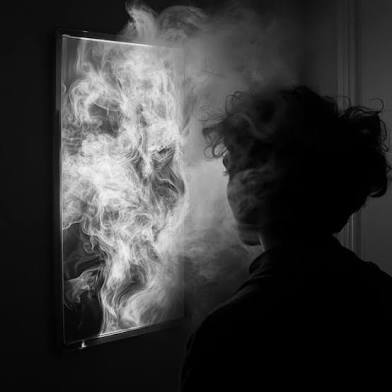
So many hide their identity to avoid questions and accountability, using secrecy and mirroring as shields. They bury secrets to maintain a public image, while mirroring manipulates perceptions to reinforce it. For me, this has meant navigating family silences and distorted reflections, raising my kids amid a web of hidden truths. Yet, sharing—when safe—can heal, as my faith and therapy have shown, turning struggles into strength.
Thank you for joining me. More to come.
With warmth and understanding,
Meghann
Comments
Post a Comment